
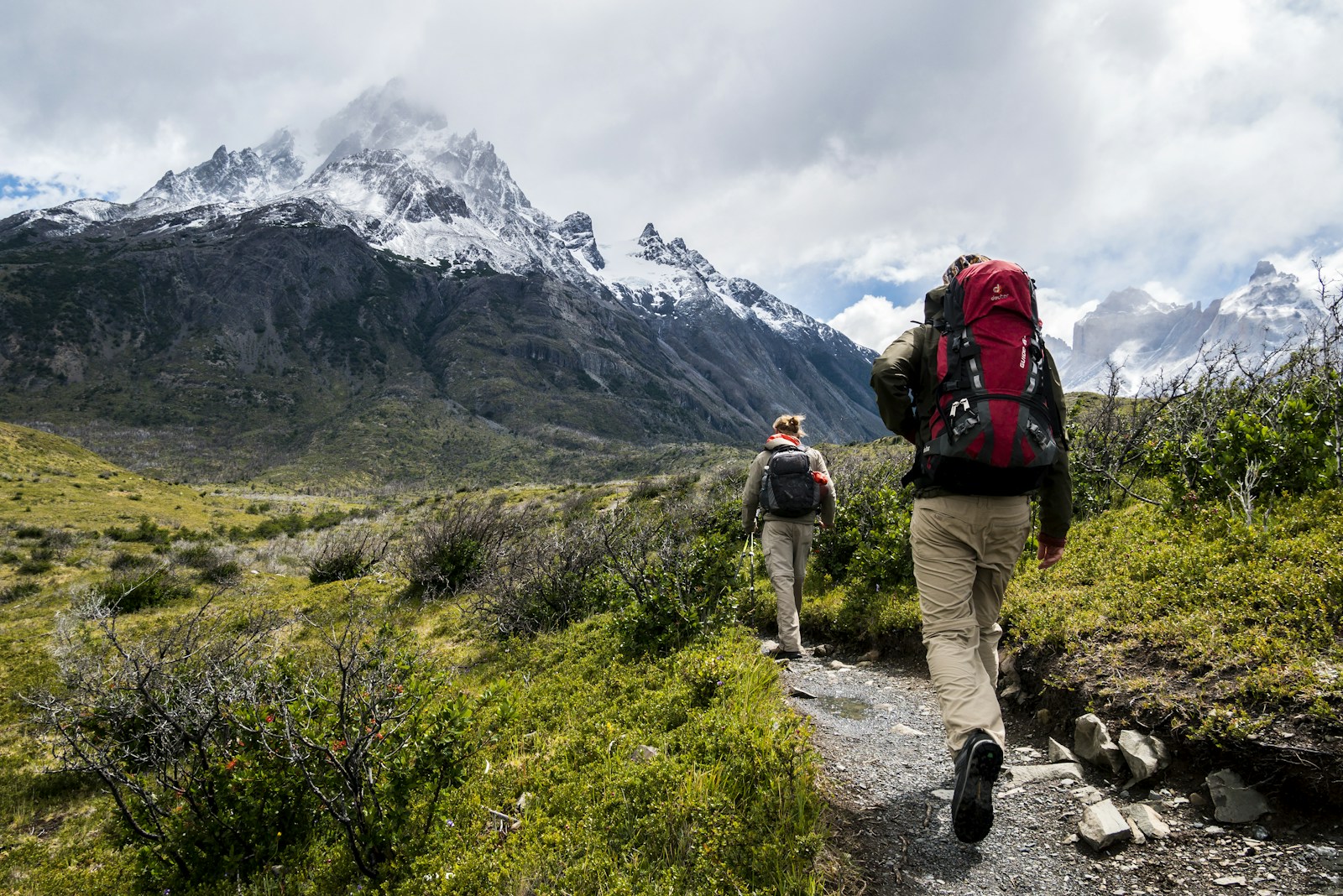
You do not need to walk the full Lebanon Mountain Trail to understand its appeal. A single section can shape an excellent weekend.
- Best for
- Walkers who want one focused trail section
- Ideal stay
- Two nights near the chosen start or finish
- Decide first
- Section, difficulty, transport, daylight, and weather
Choose the walk before the property
Start with an official trail section that fits the season and the experience of the group. Then search for a stay near the start or finish. Elevation, exposure, daylight, and transport back all matter.
Use local guidance
The Lebanon Mountain Trail Association publishes route information and supports responsible walking. Check current guidance and consider a local guide when the section or conditions are unfamiliar.
Make recovery part of the stay
After the walk, simple chalet features become valuable: a hot shower, comfortable seating, a proper meal, and a quiet bedroom. Plan a shorter second morning for an easy ending.
Select the trail before selecting the chalet
Start with a section that matches distance, ascent, terrain, season, and experience. Then search for a property that shortens the morning transfer or makes the finish easy. A beautiful chalet on the wrong side of a mountain can add a tiring drive to both ends of the walk.
Understand whether the route is linear or circular. A linear section needs a driver, arranged transfer, or guide plan. Save current route information offline, tell someone the plan, and build in more daylight than the expected walking time alone.
Plan recovery as carefully as the walk
After a long section, the useful amenities are simple: secure parking, hot water, reliable heating or cooling, a kitchen, comfortable seating, and quiet bedrooms. Confirm check in time if the walk could finish late and keep clean clothes accessible in the car.
Drink water, eat a proper meal, and avoid turning the second day into another demanding route by default. A shorter morning walk, village breakfast, or viewpoint often gives the weekend a better ending than chasing distance.
Manage the group as one walking unit
Discuss pace before starting and identify the person with route responsibility. Nobody should feel required to hide pain, fear, or fatigue. Regroup at every junction, keep the slowest walker within communication, and make turning back an accepted decision. A weekend walk is successful when the group finishes safely and wants to walk again.
Carry water and food individually so one separated bag does not hold everything. Add sun protection, layers, basic first aid, charged phones, and any personal medicine. Test footwear before the trip and treat early discomfort before it becomes a blister or altered gait on uneven terrain.
Record the actual finish and tell the property or transport contact when the group is safe. At the chalet, dry equipment, replenish water, and note any route issue while memory is fresh. If official or local channels accept condition reports, accurate observations can help other walkers without encouraging unverified shortcuts.
Put It Into Practice
A Simple Plan
- 01Before booking
Choose a realistic section
Use current official information and judge the route by the least experienced walker.
- 02Friday
Sleep near the route
Check in, organize transport, prepare water and food, and make the starting point easy to find.
- 03Saturday
Walk with margin
Begin early, follow the agreed route, manage pace and breaks, and turn back if conditions deteriorate.
- 04Sunday
Recover locally
Eat well, stretch, choose one easy nearby activity, and avoid a fatigued late drive home.
Save This List
Before You Go
- Official route information saved
- Transport plan for start and finish
- Water, food, layers, and sun protection
- Footwear already tested on walks
- Basic first aid and charged phone
- Dry clothing waiting at the chalet
Useful Answers
Frequently Asked Questions
Do I need a guide for the Lebanon Mountain Trail?
It depends on the section, conditions, and group experience. A local guide adds route knowledge, context, and transport support when the area is unfamiliar or the route is demanding.
How close should the chalet be?
Look at actual driving time to the trail access, not straight line distance. A base within a comfortable morning transfer is usually more valuable than a more luxurious property farther away.