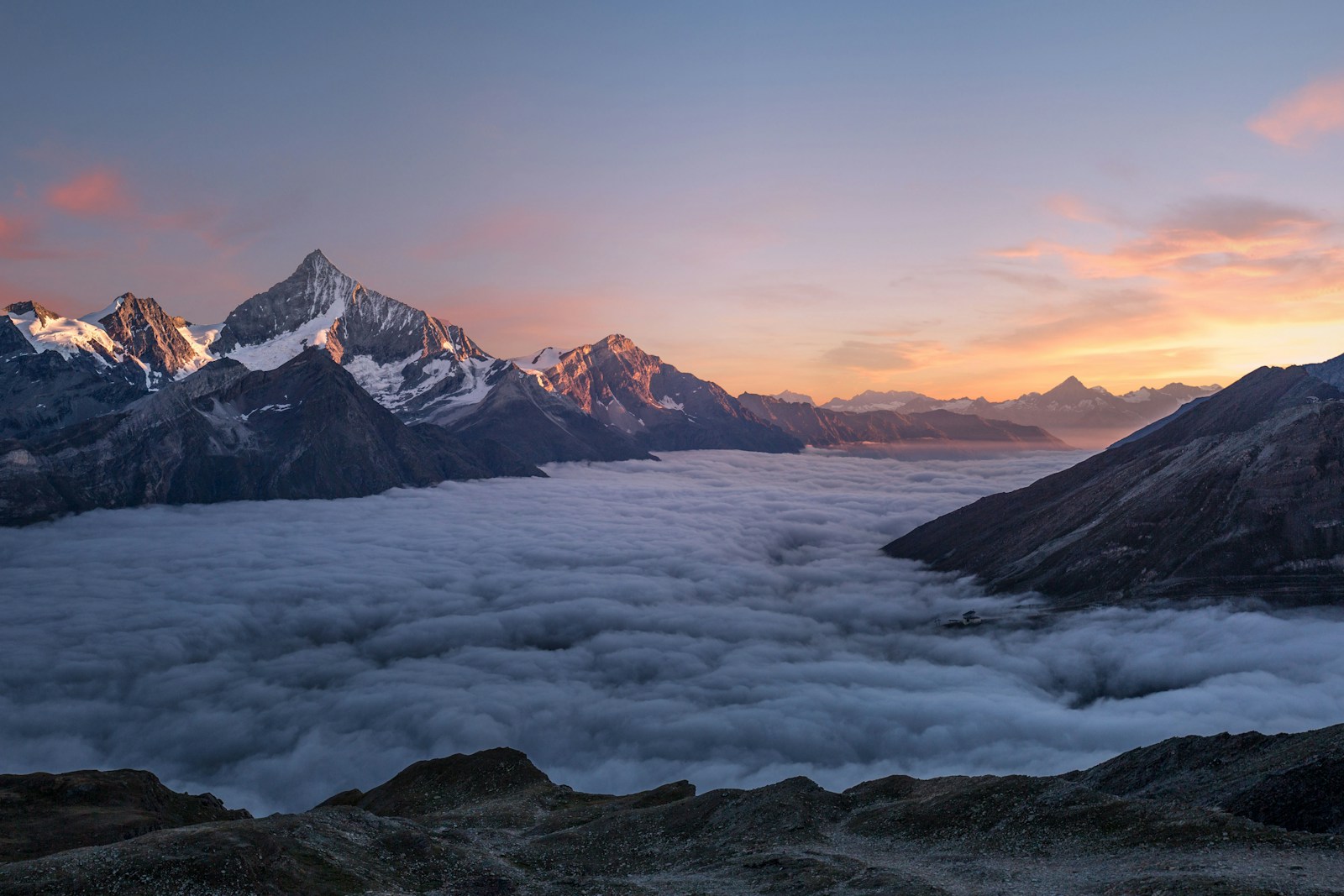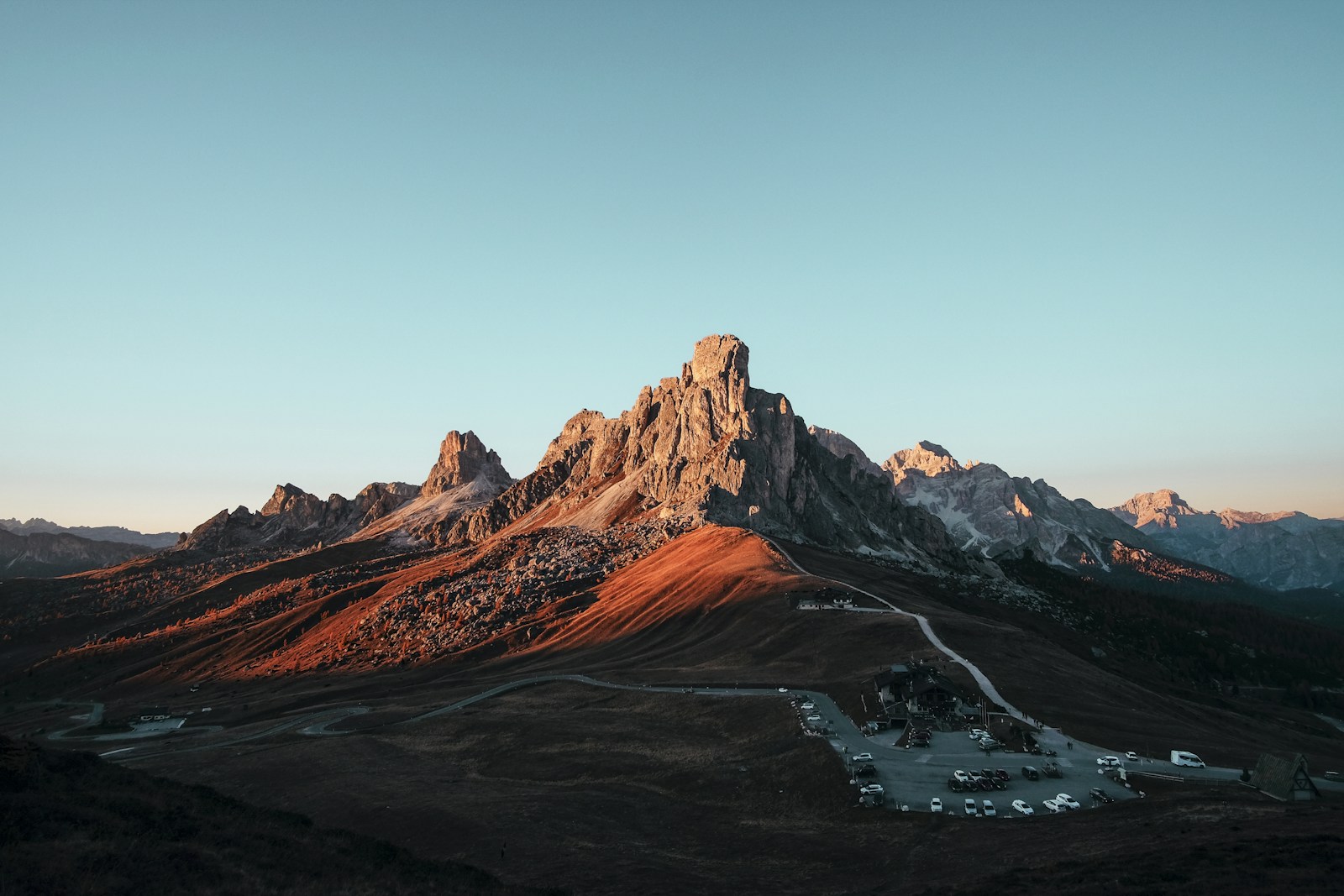
Spring and autumn reveal mountain villages between their busiest seasons. The reward is a calmer stay, but temperatures can shift quickly.
- Best for
- Quiet roads, walking, reading, and flexible weekends
- Ideal stay
- Two nights in spring or autumn
- Prioritize
- Reliable indoor comfort and adaptable outdoor space
Choose by elevation
Conditions can differ greatly between the coast, mid elevation villages, and high mountain areas. Ask the host what the property feels like at night during your month of travel.
Look for flexible spaces
The best property works both indoors and out. A sheltered terrace, comfortable living room, reliable heating, and windows with a view provide options. Pack layers and shoes for damp paths.
Keep activities adaptable
Plan one outdoor option and one cultural or food stop. If rain arrives, the weekend should still feel complete. Quieter travel also gives more time for village conversations.
Plan by elevation, not only by month
The coast, mid elevation villages, and high mountains can experience very different temperatures on the same day. Ask the host about the property’s current daytime and nighttime conditions, road access, heating, and sun exposure. Recent local knowledge is more useful than a broad seasonal average.
Pack layers that can be added or removed, a light waterproof shell, and shoes that handle damp paths. Check sunset time before a walk. A mild afternoon can cool quickly once the sun leaves a valley or terrace.
Choose a property with two good versions
A shoulder season chalet should work when the doors are open and when everyone must stay inside. Look for a sheltered terrace, comfortable living room, proper dining table, dependable heating, natural light, and windows that keep the landscape present.
Ask whether pools, outdoor kitchens, and seasonal facilities are actually operating. Do not pay for a summer feature that will be closed. A fireplace, books, games, or a well equipped kitchen may provide more value during variable weather.
Use uncertainty as part of the design
Choose one outdoor anchor that can shift by several hours. A walk may move to the clearer morning, while a village meal or museum takes the rainy period. Avoid bookings that require crossing a high road at an exact time. Flexibility should exist in the route, not only in what clothes are packed.
Ask how the chalet behaves in damp or windy weather. Covered access, a mat for wet shoes, places to hang jackets, sealed windows, and safe heating are small details that shape the whole stay. A panoramic terrace has less value if there is nowhere comfortable to sit when the weather turns.
Keep the return plan conservative. Autumn darkness and spring fog can arrive earlier than a summer traveler expects. Check conditions, leave with fuel, and begin unfamiliar descents with daylight. If the weekend produces one clear walk, one warm meal, and a long indoor evening, it has already used the season well.
Put It Into Practice
A Simple Plan
- 01Before booking
Check the exact elevation
Use the village and property position to ask specific questions about temperature, road, and evening comfort.
- 02Before packing
Read a current forecast
Prepare layers, rain protection, and shoes for the actual conditions rather than a generic season.
- 03Each morning
Choose plan A or plan B
Use clear weather for one outdoor anchor and keep a cultural, food, or chalet plan ready.
- 04Each evening
Reset for the cold
Dry clothing, close outdoor areas, manage heating as instructed, and prepare an easy breakfast.
Save This List
Before You Go
- Current weather and road information
- Heating and hot water confirmed
- Waterproof layer and warm socks
- Indoor activity or cooking plan
- Seasonal facility availability
- Daylight aware walking route
Useful Answers
Frequently Asked Questions
Are shoulder season chalet rates usually lower?
They can be, but compare the total cost and available amenities. A closed pool or inadequate heating changes value, so confirm what operates during the exact dates.
Which elevation is most reliable?
There is no single answer. Lower areas may be milder, while higher villages can feel more dramatic. Choose based on forecast, access, and the type of weekend the group wants.