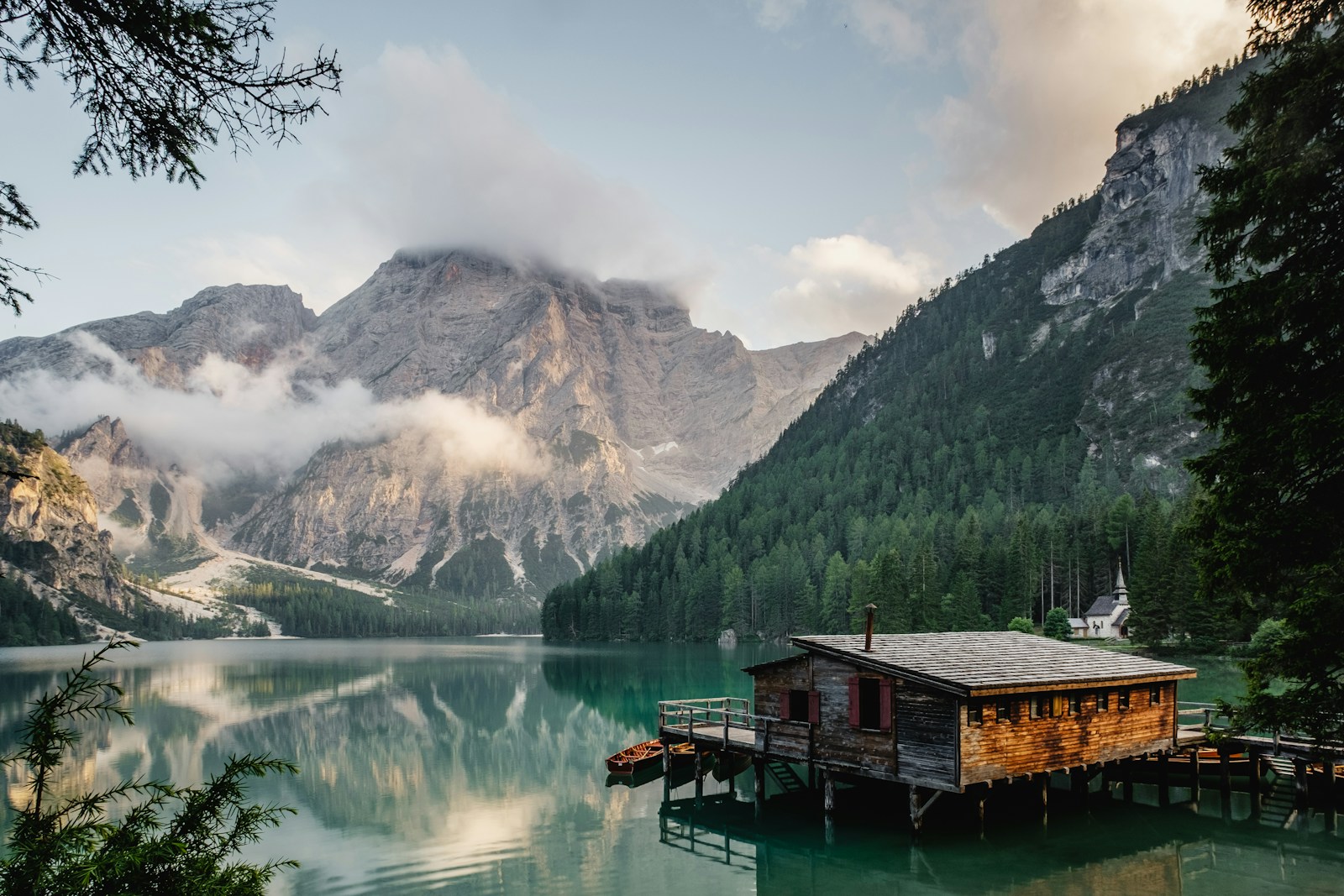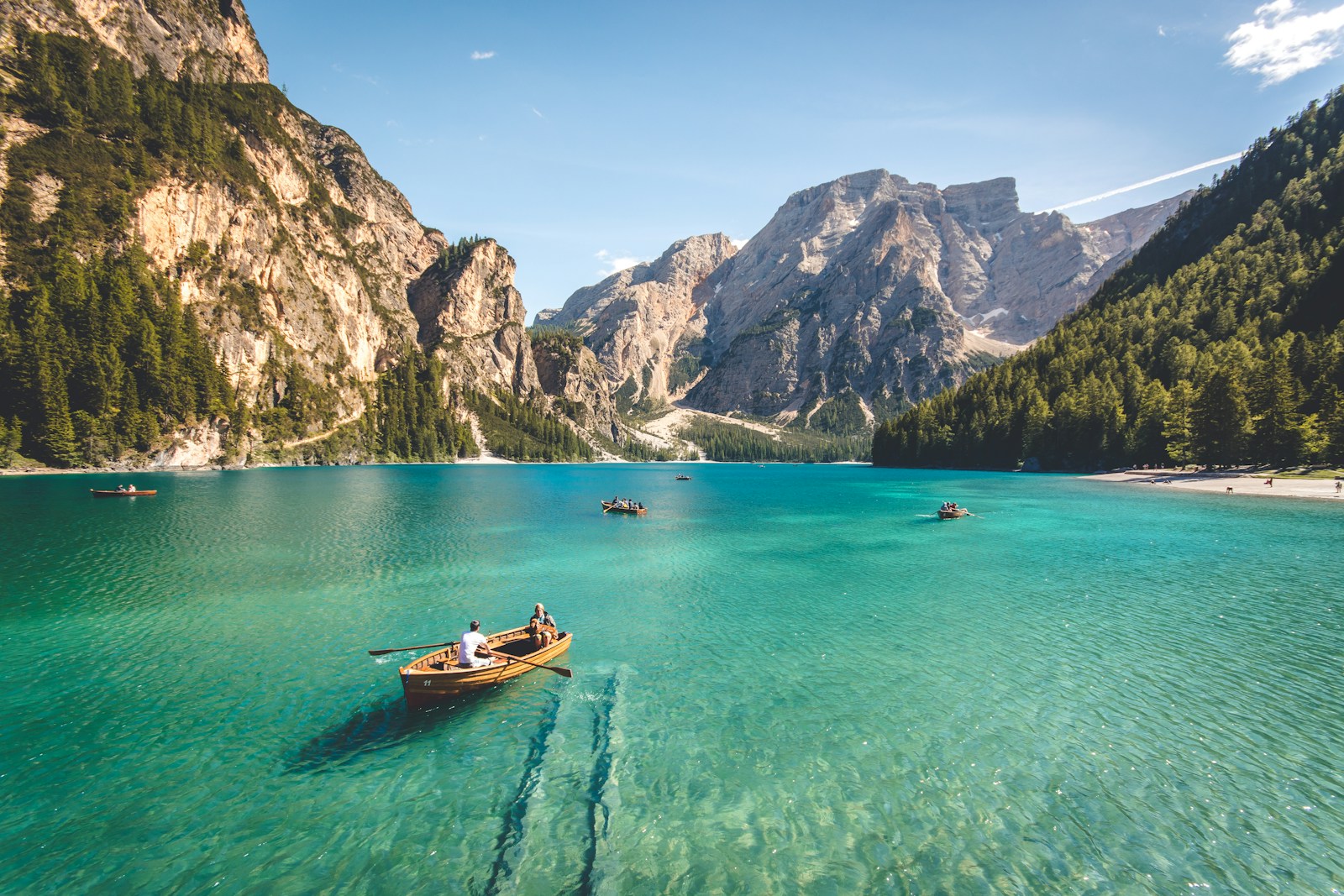
Qadisha rewards time and attention. The valley, its monastic heritage, and the nearby Cedars of God form one of Lebanon’s most meaningful mountain landscapes.
- Best for
- Nature, heritage, photography, and slow weekends
- Ideal stay
- Two nights around Bcharre or a nearby village
- Plan around
- Daylight, trail conditions, and respectful site visits
Choose one base
Stay in one well placed chalet rather than changing accommodation. Bcharre and nearby villages make it easier to divide the weekend between the valley, the cedar forest, and long meals indoors. A base with a view is worthwhile here, especially in the early morning.
Keep the first day light
Use arrival day for the village, a viewpoint, and a relaxed dinner. Save demanding walks for the morning when there is more daylight. Trail conditions can change, so ask locally before setting out and carry water even when the air feels cool.
Treat the landscape with care
UNESCO recognizes Ouadi Qadisha and the Forest of the Cedars of God as a World Heritage property. Visit religious spaces quietly, stay on established paths, and take every piece of waste back with you.
Understand the valley before choosing a walk
Qadisha is a deep cultural landscape rather than a single viewpoint. Monasteries, hermitages, villages, and paths sit at different levels, and some routes include steep descents that must be climbed again. Choose a walk by distance, elevation change, shade, and the least experienced person in the group.
A guide can add valuable context and simplify transport when a route does not return to its starting point. If walking independently, use current route information, begin early, carry water, and tell someone which section you plan to follow. Turn back when weather, daylight, or footing becomes uncertain.
Give the Cedars their own time
The Forest of the Cedars of God is not an extra stop to squeeze in after a long day. Go when the group can move quietly, notice the age and form of the trees, and follow visitor guidance. Cooler morning light can also make the experience calmer and more comfortable.
Keep food outside sensitive areas, stay on established paths, and avoid touching bark or roots. Pair the visit with one nearby meal or village walk, then return to the chalet before fatigue turns the final mountain road into a chore.
Visit a living cultural landscape with care
The valley’s religious places are not decorative stops. Speak quietly, follow clothing and photography guidance, and do not enter closed spaces. A small donation or locally arranged guide can support stewardship when appropriate, but respect is shown first through behavior, patience, and attention to instructions.
Paths can pass close to agricultural land and village homes. Stay on the understood route, close gates when instructed, and keep drones or amplified sound out of the experience. Ask before photographing residents. The goal is to leave daily life undisturbed while learning why people have lived, worked, and worshipped in this landscape for centuries.
At the chalet, keep outdoor lighting and noise modest. Valleys carry sound over surprising distances, especially at night. Buy provisions before remote roads, use water and heating as the host explains, and begin the return journey with enough energy for the climb and curves. Care for the place continues after the formal visit ends.
Put It Into Practice
A Simple Plan
- 01Friday
Arrive before sunset
Check in, locate the next morning’s starting point, buy water and breakfast supplies, and keep dinner close to the property.
- 02Saturday morning
Walk one valley section
Start early with a route suited to the group. Leave time for pauses, heritage sites, and the climb or transfer back.
- 03Saturday afternoon
Slow down in Bcharre
Choose lunch, a museum or village walk, and an unhurried return to the chalet rather than adding another distant drive.
- 04Sunday
Visit the cedar forest
Use the quieter morning hours, then have a final local meal and begin the return drive with daylight to spare.
Save This List
Before You Go
- Walking shoes with reliable grip
- Water, sun protection, and a light layer
- Offline map and charged phone
- Cash for small local purchases
- Modest clothing for religious sites
- A bag for every item of waste
Useful Answers
Frequently Asked Questions
Can Qadisha be enjoyed without a long hike?
Yes. Viewpoints, village streets, selected heritage stops, and shorter walks can still create a meaningful visit. Ask locally about access and choose a plan that matches mobility and weather.
Should the valley and cedar forest be visited on the same day?
They can be, but separating them usually produces a calmer weekend. A demanding valley walk followed by another timed visit often leaves too little attention for either place.