
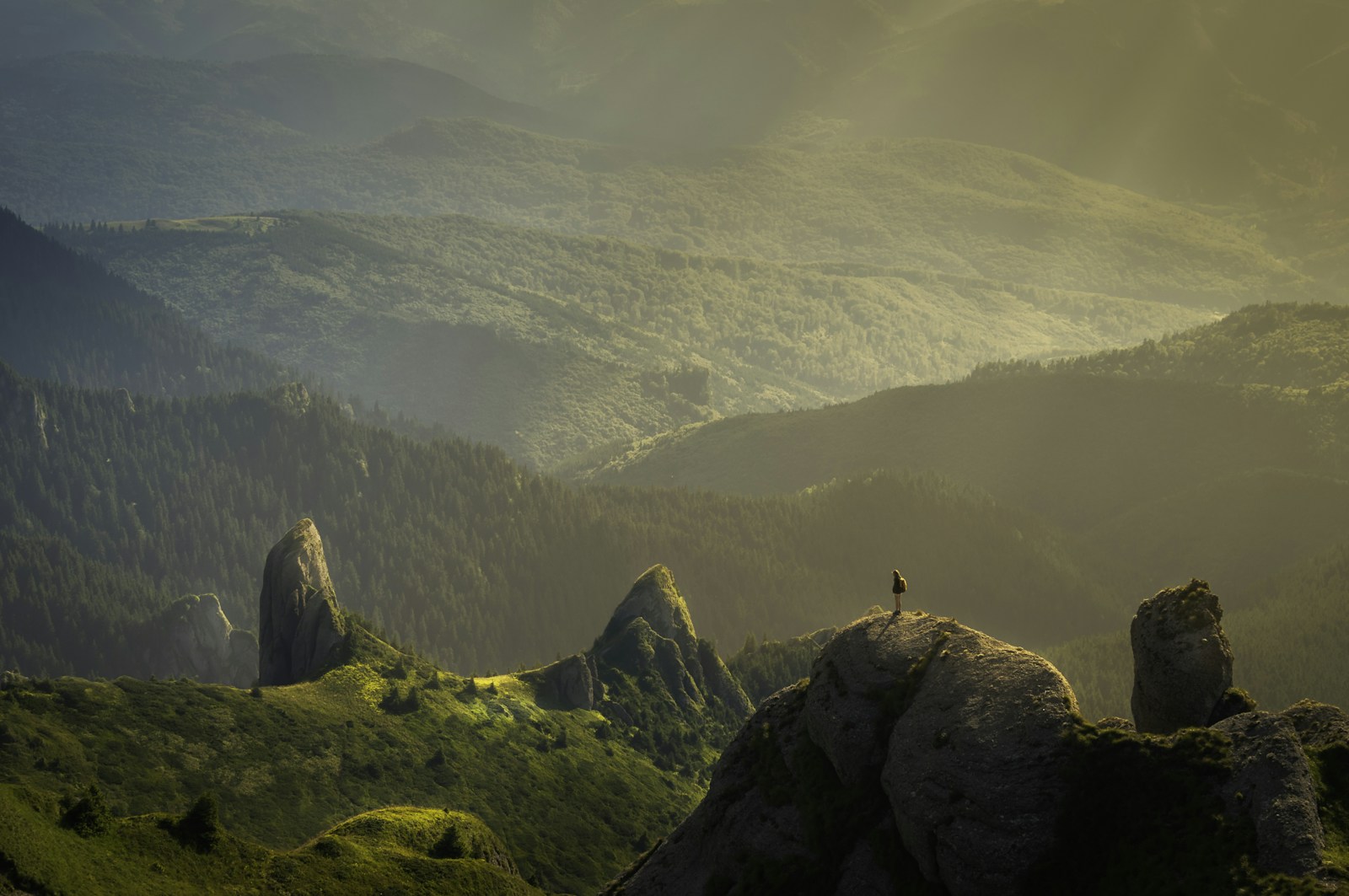
Tannourine feels best when the schedule is light. Forest, cliffs, and mountain villages offer enough without stacking the day with distant stops.
- Best for
- Cedar forest, cliffs, cool air, and quiet evenings
- Ideal stay
- Two nights
- Plan around
- Road curves, daylight, weather, and walking ability
Arrive with daylight
Mountain turns are easier to understand before dark. Daylight also gives you time to inspect parking, heating, outdoor areas, and steps around the property. Save the host number and exact map pin.
Let nature set the rhythm
Choose a walk that fits the group rather than the most dramatic option. Children, older guests, and inexperienced hikers need shade, water, and an honest plan for the return. Pack a light layer even in warmer months.
Use the evening well
A chalet with a proper table, comfortable living room, and a view can carry the second half of the day. Pick up bread, fruit, and dinner ingredients before arrival, then park the car and allow the place to do its work.
Make access part of the property choice
Tannourine’s landscape is dramatic because elevation changes quickly. Ask for the exact map pin, a description of the final turns, parking space, and whether the entrance involves steep steps. A remote chalet can be rewarding, but it should suit every driver and guest.
Download the route and arrive before dark. Mobile coverage may vary along mountain roads, and a pin alone does not explain the correct gate or driveway. Keep the host number easy to reach and agree on one meeting point when several cars are traveling.
Protect a full nature morning
Choose a current route or reserve visit that matches the group, then begin with enough daylight and water. Forest shade can make the air feel cooler, but sun exposure and climbs still require preparation. Stable footwear is more useful than ambitious mileage.
Afterward, avoid adding a long cross region drive. Buy lunch or supplies close to the route and return to the chalet. Tannourine’s value is the sense of space, so allow an ordinary afternoon to become part of the experience.
Prepare for a mountain that changes quickly
Elevation, shade, and wind can make conditions feel different within a short distance. Carry a light layer even when the valley departure is warm, and check the forecast for the actual area rather than the nearest coastal city. Wet rock and loose surfaces require slower movement, stable footwear, and a willingness to choose an easier route.
Remote roads deserve the same patience. Do not race daylight or follow a navigation shortcut onto an uncertain track. Use the host’s approach, keep fuel above the minimum, and give uphill traffic room on narrow sections. When a driver is uncomfortable, stop safely and call for local direction rather than continuing by guesswork.
The property should support a quiet evening without another supply run. Bring a planned dinner and breakfast, confirm water and power, and understand heating or cooling controls. Use outdoor fires only where explicitly allowed and safe. Deep mountain silence is part of the value, so keep speakers and exterior lighting restrained.
Put It Into Practice
A Simple Plan
- 01Friday
Reach the property in daylight
Learn the approach, check heating or ventilation, and keep the first dinner simple.
- 02Saturday morning
Walk among cedars
Use current local guidance and select a route based on weather and the group’s real ability.
- 03Saturday afternoon
Return for a slow meal
Rest at the chalet, enjoy the view, and leave only one easy village option for later.
- 04Sunday
Take the quieter road home
Have breakfast, make a short nearby stop, and begin the descent before fatigue or darkness.
Save This List
Before You Go
- Offline map and exact entrance notes
- Walking shoes and water
- Warm layer for the evening
- Food bought before remote roads
- Car checked and adequately fueled
- Backup plan for poor weather
Useful Answers
Frequently Asked Questions
Is Tannourine suitable for a first mountain weekend?
Yes, when the property has straightforward access and the group chooses modest activities. Ask clear road questions and avoid a late first arrival.
What matters most in a remote chalet?
Reliable directions, safe parking, water, power, heating or cooling, food planning, and a reachable host matter more than extra decorative amenities.